
Stories that should not disappear.
The Archive is a growing record of experiences shared by people who have faced abuse, violence, intimidation or the failure of institutions meant to protect them. These are personal accounts of what happened. And what happened afterwards.
PARDĀ documents these experiences because what is not recorded can be denied, forgotten or buried. And it often is.
Domestic Abuse
Domestic abuse includes physical, sexual, emotional, psychological and economic violence by a spouse, intimate partner, in-laws or other family members.
In India, the law recognizes that abuse can include controlling money, restricting movement, denying access to resources, intimidation and dowry-related harassment, not just physical assault. In 2023, 133,676 cases of cruelty by husbands or relatives were registered, making it the largest single category of crimes against women recorded by the NCRB.
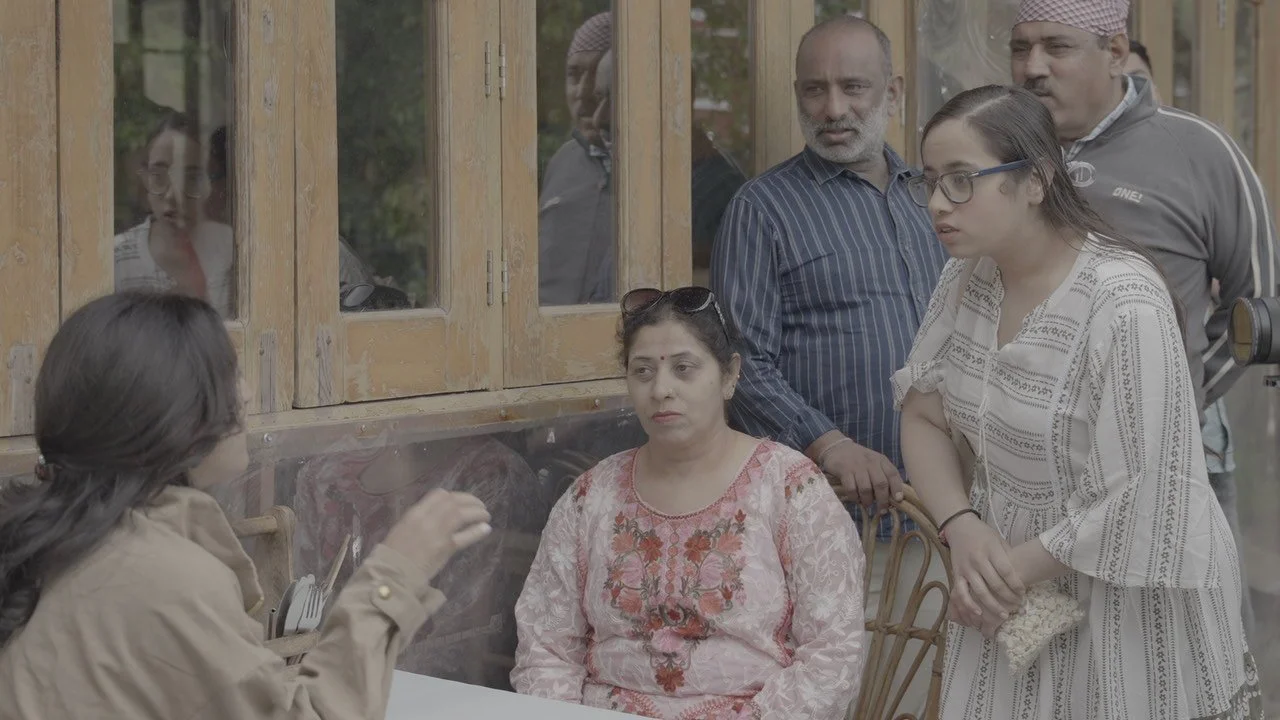
Landmark cases
-
Expanded the Domestic Violence Act beyond violence by an “adult male,” allowing women to seek remedies against female relatives as well.
-
Broadened the interpretation of “shared household,” strengthening women's right to residence under the Domestic Violence Act.
-
Established important guidelines on maintenance, financial disclosure and enforcement, strengthening women's access to financial relief following marital breakdown.
Public Safety & Harassment
Public safety and harassment covers violence and intimidation women experience in streets, public transport, workplaces, educational institutions and other public or semi-public spaces. This includes stalking, unwanted sexual contact, verbal harassment, intimidation and abuse of authority. NCRB recorded 83,891 cases of assault on women with intent to outrage their modesty in 2023, illustrating the scale of reported physical and sexual harassment outside the home.
Landmark cases
-
Established the first binding framework against sexual harassment at the workplace in the absence of legislation, eventually influencing the 2013 POSH Act.
-
Confirmed that sexual harassment is a form of sex discrimination and that unwelcome sexual conduct can violate a woman's fundamental rights even without physical assault.
-
Strengthened enforcement of the Vishaka framework and emphasized institutional accountability for preventing and addressing workplace sexual harassment.
Harmful Traditional Practices
Harmful traditional practices are forms of violence or control justified through customs, family honour, caste, religion or community expectations.
In India, these can include dowry violence, child or forced marriage, honour crimes, restrictions on inter-caste or interfaith relationships, and practices that deny women bodily or marital autonomy.
In 2023, 15,489 cases were registered under the Dowry Prohibition Act and 6,156 dowry deaths were recorded, showing that these practices remain a significant source of violence despite decades of legislation.

Landmark cases
-
Affirmed an adult woman's constitutional right to choose her partner, including across caste boundaries.
-
Condemned honour killings and directed governments to protect couples facing violence or threats from family and community groups.
-
Invalidated instant triple talaq, reinforcing constitutional protections against discriminatory practices affecting women's marital rights.
Sexual Assault
Sexual assault encompasses rape, attempted rape, unwanted sexual contact and other sexual acts carried out without freely given consent. In India, sexual violence can occur within marriage, relationships, families, workplaces, institutions or between strangers, and survivors may face intense stigma and victim-blaming when they seek justice. NCRB recorded 29,670 rape cases in 2023, alongside thousands of cases involving sexual assault against children under POCSO.

Landmark cases
-
Established important protections and support mechanisms for survivors of sexual violence, including legal assistance and compensation.
-
Recognized rape as a violation of fundamental human rights and affirmed the possibility of interim compensation for survivors.
-
Emphasized that courts must approach sexual-assault testimony sensitively and rejected the idea that a survivor's testimony should automatically be viewed with suspicion.
Digital Safety
Digital abuse includes cyberstalking, online harassment, impersonation, doxxing, sexual extortion, non-consensual intimate imagery and the circulation of abusive or defamatory content. The rapid expansion of digital platforms has created new ways to monitor, threaten and publicly shame women, often allowing abuse to continue across geographic boundaries and around the clock. India recorded 86,420 cybercrime cases in 2023, a 31.2% increase from 2022, including 4,199 cases where sexual exploitation was identified as the motive.

Landmark cases
-
Struck down Section 66A of the IT Act as unconstitutional, establishing important protections for online expression.
-
Recognized privacy as a fundamental right, creating a constitutional foundation for protection of personal and digital information.
-
Established foundational principles around privacy and publication of personal information, which continue to shape digital-privacy jurisprudence.
Defamation & Shaming
Defamation and shaming are forms of social control that attack a woman's reputation, morality, sexuality or credibility in order to silence or punish her. In India, this can include spreading allegations about a woman's sexual character, publicly humiliating her, circulating rumours or using accusations of being a “bad woman,” “bad wife” or “bad daughter” to enforce conformity. The law recognizes reputation as part of personal dignity, while constitutional protections for speech require courts to balance reputation against freedom of expression.

Landmark cases
-
Upheld the constitutionality of criminal defamation while recognizing reputation as an important component of dignity.
-
Struck down Section 66A, limiting the use of vague “offensive” online speech provisions that had been used to police and silence expression.
-
Protected a woman's right to express opinions about premarital relationships and rejected the use of criminal law to punish speech merely because it offended prevailing social morality.
Submit Your Story
If any of these categories resonate with you or your journey, share your story with us—we are here to listen.
Your case also deserves to be unveiled.
Feel free to remain anonymous